
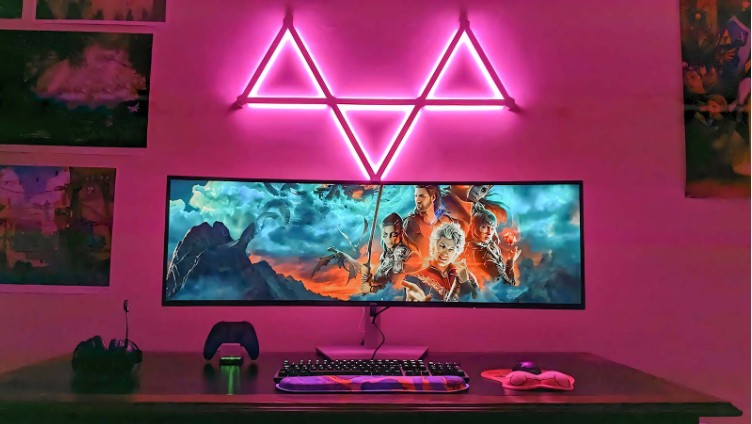
Stress is one of those invisible weights that everyone carries. It creeps into our mornings, lingers in our workdays, and follows us home, often unnoticed until it’s overwhelming. The usual remedies exercise, meditation, or a cup of tea help, but sometimes you need something that engages the mind and sparks joy at the same time. Enter online gaming: a surprisingly effective way to ease tension, shift focus, and lift your mood.
At first glance, gaming might seem like an indulgence a way to escape life’s pressures for a while. But beneath the flashy graphics and fast-paced action lies a deeply engaging experience that activates the brain in ways traditional stress-relief methods sometimes can’t. Online games combine challenge, reward, and immersion, creating an environment where your mind is fully occupied, yet also soothed. The result? Stress begins to melt away almost without noticing.
From the viewpoint of a casual slot gacor 777 player, mood improvement starts with engagement. You pick up the controller or tap the screen, and suddenly, your attention is pulled into a world of objectives, challenges, and interactive storytelling. For a moment, your mind isn’t thinking about deadlines, bills, or responsibilities. It’s focused on navigating a virtual world, solving puzzles, or coordinating with teammates. That shift in attention alone provides a subtle, yet profound stress release.
Beginners often experience this effect through small wins. Completing a level, finding a hidden secret, or even just understanding a game mechanic for the first time provides a sense of accomplishment. These micro-achievements, though minor in the grand scheme, trigger positive brain chemicals such as dopamine, signaling reward and satisfaction. In contrast to the unpredictability of real-life challenges, games provide clear objectives, feedback, and measurable success. That clarity can instantly boost confidence and improve mood.
For more experienced players, online games offer deeper stress-relief benefits through immersion and flow. In multiplayer or competitive settings, players often enter a state where actions and reactions are seamless, decisions happen intuitively, and the mind feels fully engaged commonly referred to as “flow.” This state not only enhances focus but also reduces cortisol levels, the hormone associated with stress, and promotes a sense of calm and control. In these moments, the tension of daily life is replaced by engagement and mastery.
Another perspective comes from social interaction. Many online games foster connections, whether through cooperative play, casual chats, or competitive teamwork. Humans are inherently social, and connecting even digitally can significantly elevate mood. Sharing victories, joking with teammates, or coordinating strategies produces feelings of camaraderie and belonging. In moments of stress, these connections remind us that we are part of a community, even if it exists in a virtual space.
There’s also an element of playfulness in online gaming that traditional stress management techniques often lack. In the midst of responsibilities, adults rarely allow themselves to experiment, take risks, or make “fun” mistakes without consequence. Games mahjong ways 2 create a safe space for this kind of mental freedom. You can explore, fail, try again, and laugh along the way. This freedom to engage creatively activates the brain’s reward centers and releases tension, reminding players that joy can coexist with responsibility.
Moreover, online gaming can serve as a mental palate cleanser. Stress often narrows attention and creates cognitive fatigue. A short gaming session redirects focus, engaging working memory, decision-making, and spatial awareness. Even if the challenges are virtual, the brain is actively problem-solving, which creates a sense of control and accomplishment. This mental engagement is calming and rejuvenating, allowing players to return to daily life with renewed perspective.
Competitive or strategic gamers also find that gaming teaches emotional resilience. Facing setbacks losing a match, failing a challenge, or encountering an unexpected obstacle within a safe, virtual environment allows players to practice handling disappointment without real-world consequences. Over time, this repeated experience improves stress tolerance, emotional regulation, and patience. Players learn that mistakes are temporary and recovery is possible, lessons that apply directly to real-world stressors.
From a physiological standpoint, engaging with games can also trigger relaxation. Visual and auditory stimuli whether a calming landscape, soothing music, or rhythmic gameplay mechanics activate the parasympathetic nervous system, promoting relaxation and lowering heart rate. This dual benefit of mental engagement and physiological calm is rare in everyday activities, making gaming uniquely effective for managing stress.
Even the element of choice in gaming contributes to mood improvement. Unlike many real-world situations where outcomes are uncertain and uncontrollable, games often provide clear objectives and a sense of agency. Players make decisions, experiment with strategies, and see direct results. This perceived control combats feelings of helplessness and promotes confidence, both essential for reducing stress and improving mental wellbeing.
Scientific studies support these anecdotal observations. Research has shown that video games can reduce stress, improve emotional regulation, and enhance mood. They engage reward pathways, strengthen cognitive flexibility, and provide opportunities for social connection all key factors in mitigating stress and promoting overall mental health.
The beauty of gaming as a stress-relief tool is its accessibility. Whether you have five minutes or an hour, a casual game on your phone or an immersive online experience can provide immediate mental benefits. It’s an activity that meets people where they are, offering engagement, achievement, and relaxation simultaneously.
From multiple points of view beginners, casual players, competitive gamers, and social enthusiasts online gaming demonstrates a remarkable capacity to shift mood and reduce stress. Beginners gain micro-achievements, casual players enjoy immersion, competitive gamers access flow, and social players strengthen connection. Across all experiences, the outcome is consistent: stress diminishes, attention sharpens, and mood improves.
In a world where pressure and distraction are constant, finding effective stress relief is more important than ever. Online gaming, far from being a mere pastime, provides a unique combination of engagement, challenge, social interaction, and accomplishment that few other activities can match. It’s a tool for mental rejuvenation, a source of joy, and a surprisingly powerful ally against stress.
So the next time life feels overwhelming, consider this: playing an online game isn’t wasting time it’s investing in your mental health. One mission, one match, or one level at a time, online games can help you play your stress away, lift your mood, and reclaim your focus, leaving you ready to face the real world with a calmer, more resilient mind.